
News
Amazon Seller Central Updates 2026: Fees, Suspensions & New Risks
February 3, 2026
Key Takeaways
- Amazon ends commingled FBA inventory on March 31, 2026, requiring all sellers to use Amazon barcodes and update supplier labeling procedures before shipment.
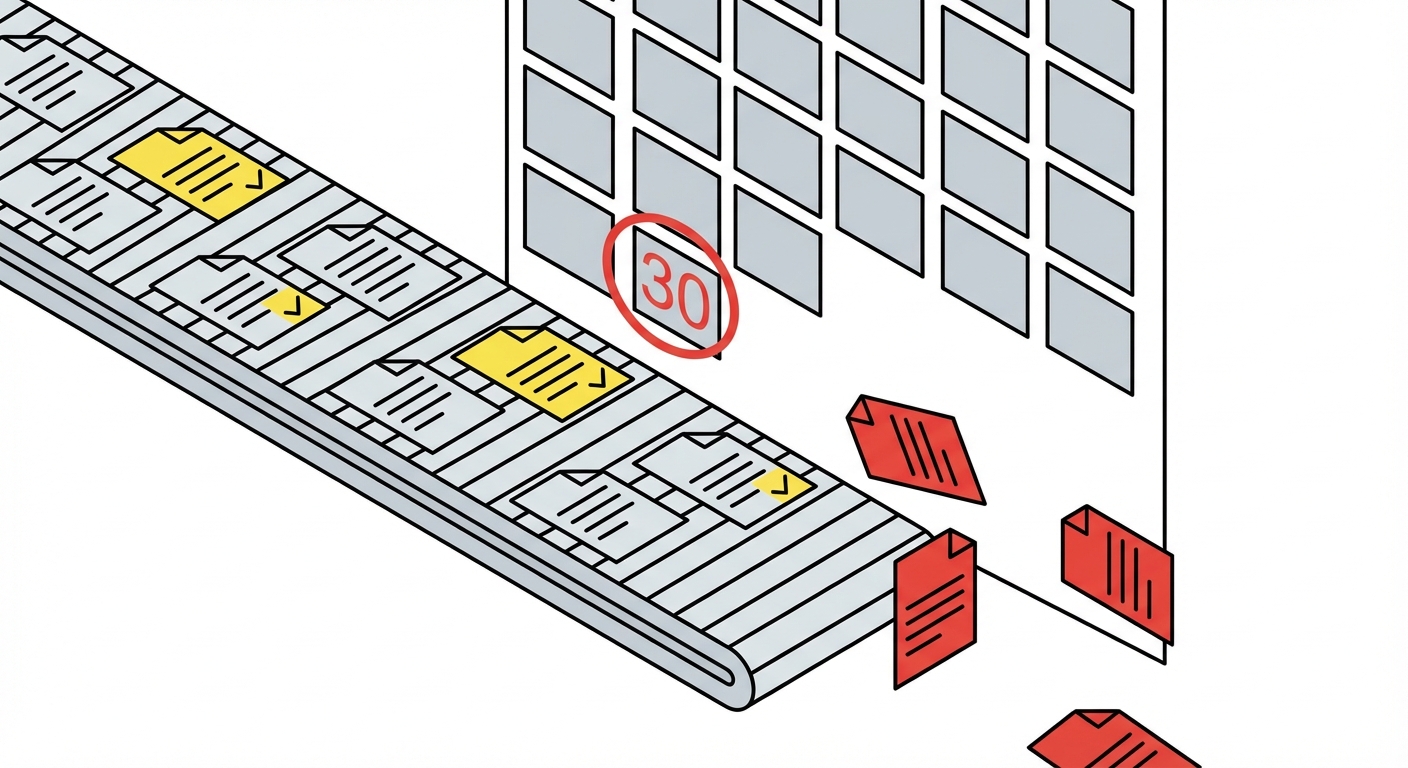
- SAFE-T claim filing for US FBM orders shrinks from 60 days to 30 days on February 16, 2026, requiring weekly claim workflows to avoid missed reimbursements.
- FBA fulfillment fees for standard-size products priced $10 to $50 increase by an average of $0.08 per unit in 2026, compressing margin on high-volume SKUs.
- Amazon now requires passkeys and stricter account access controls starting December 2, 2025, making shared logins and unsecured permissions a suspension risk.
- EU Cyber Resilience Act compliance begins in 2026 for sellers offering connected or software-enabled products, requiring security update policies and manufacturer documentation.
2026 is shaping up to be a “security-first, efficiency-first” year inside Amazon Seller Central.
Some changes are obvious (like passkeys replacing weaker login methods), and others will quietly hit your P&L if you don’t adjust your operations (like the SAFE-T claim window shrinking to 30 days for US FBM orders). Add the end of commingled inventory, FBA fee updates, and FBA prep/label service changes, and you’ve got a year where sellers who run tighter SOPs will win.
Below is a expert breakdown of the most important amazon seller central updates in 2026 with practical steps to protect margin, reduce operational chaos, and lower the risk of an Amazon account suspension.
Seller Central Security Updates 2026: Passkeys and Stronger Account Access Controls
Amazon is pushing sellers toward more secure sign-in methods, including passkeys, which reduce password-based risks like phishing and credential reuse. Even if you already use 2SV, Amazon’s direction is clear: access security is becoming stricter and more standardized.
When: Started December 2, 2025, rolling into 2026 as adoption expands.
Who it impacts: All sellers and teams with multiple users, VAs, agencies.
What changes: Passwordless login with passkeys is being encouraged to improve account security and align with industry standards.
In plain terms: Amazon is pushing sellers away from “password + OTP” toward device-based authentication. That’s good for security, but it also means your team needs a clean access process, or you’ll create lockouts and chaos during peak season.
What to do now:
Turn on passkeys for the primary admin first, then expand to key users.
Build a “no shared logins” rule (permissions only).
Create a simple “lost device / locked out” SOP (who restores access, how, and where recovery codes are stored).
Expert tip: Most “mystery” cases of amazon seller account suspended start with sloppy access: shared credentials, ex-VAs still having permissions, insecure email inboxes. Treat passkeys as an SOP upgrade, not just a setting.

SAFE-T Claims Update 2026: FBM Filing Window Shrinks to 30 Days
When: February 16, 2026
Who it impacts: US FBM / seller-fulfilled sellers using SAFE-T to dispute refunds/returns abuse
What changes: SAFE-T claim filing window changes from 60 days to 30 days.
This is a big operational tightening. If your team currently “batches” claims monthly, you’ll miss deadlines and lose recoveries. Amazon explicitly ties the new 30-day window to the standard US return period and A-to-z appeal window.
What to do now:
Add a weekly SAFE-T workflow (not monthly).
Track these fields per order: return delivery scan, refund date, last scan (lost).
Create a “48-hour photo evidence rule” for returned items (wrong item, used, missing parts).
Insight: Sellers often underestimate how reimbursement issues feed account risk. We’ve seen sellers lose $20–30K a year not because of fraud, but because claims were filed three days too late.
When you lose SAFE-T recoveries, you’re forced to tighten policies, which can increase buyer friction, which can increase complaints — then you’re suddenly dealing with an Amazon account suspension you didn’t see coming.
FBA Inventory Update 2026: Commingling Ends and Barcode/Labeling Rules Tighten
When: March 31, 2026
Who it impacts: FBA sellers using manufacturer barcode (commingled inventory)
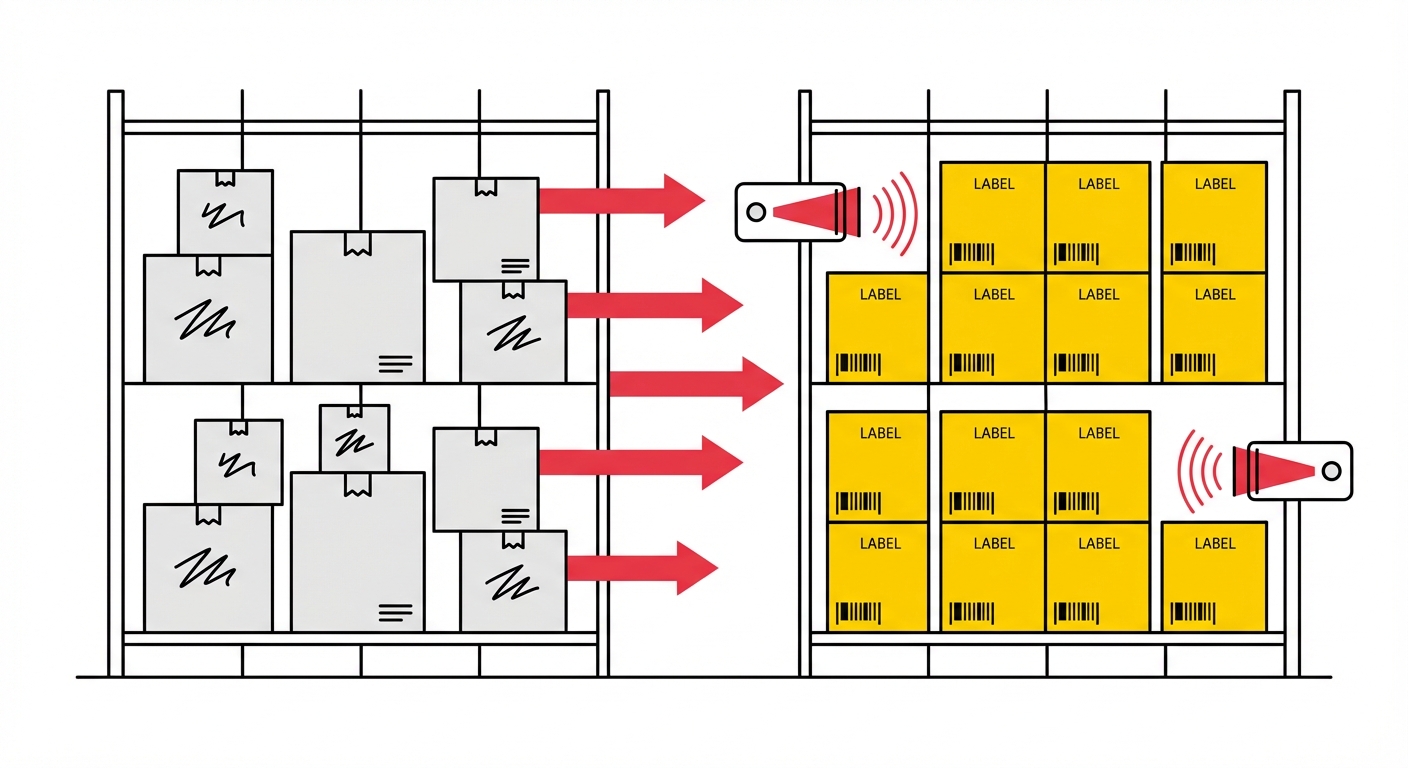
What changes: Amazon ends commingling practices across the supply chain and updates eligibility for manufacturer barcodes.
This is one of the most operationally disruptive updates because it changes how inventory is identified and handled at scale. Even if you personally never “chose commingling,” the barcode settings and labeling behavior for your ASINs can create receiving delays, relabeling costs, and stranded units.
What to do now:
Audit your catalog for barcode settings (manufacturer barcode vs Amazon barcode/FNSKU).
Update supplier SOPs: “Labeling required before shipment leaves factory.”
Budget extra time/labor for inbound until your pipeline stabilizes.
Expert tip: Amazon’s own help content warns: starting March 31 2026, FBA barcode requirements are changing. Don’t wait until your first shipment gets stuck to react.
2026 FBA Fulfillment Fee Changes: Why Small Increases Still Crush Profit
When: Fee changes apply in 2026 (with published 2026 program updates)
Who it impacts: Most FBA sellers, especially standard-size SKUs
What changes: Standard-size products priced $10–$50 see fulfillment fees increase by $0.08 per unit on average.
$0.08 sounds tiny until you do the math across volume, promo periods, and ad spend. For many brands, the real damage is second-order: you keep bids the same, TACoS climbs, and you don’t notice until cashflow tightens.
What to do now:
Recalculate unit economics per top ASIN: fee + storage + PPC + returns.
Identify SKUs where margin buffer is <10% and rebuild pricing/pack strategy.
Use packaging changes (dimensions/weight) as a profit lever.
Quick mini-case (what we see all the time):
A “stable” SKU at $24.99 with 20% margin can become a break-even SKU after (1) fee increase, (2) slightly higher return rate, and (3) a small CPC climb. Sellers don’t notice until the payout feels “weird”.
Low-Price FBA in 2026: The Under-$10 Economics Trap
When: 2026 rate structures apply (including low price FBA rules)
Who it impacts: Sellers with products priced under $10
What changes: Amazon documents special low-price FBA fulfillment rates for products priced under $10.
Low-ASP products can scale fast, but they also have the thinnest margin for error. A small rise in returns or a small increase in CPC can wipe profit instantly.
What to do now:
If you’re under $10: tighten listing clarity (reduce returns).
Treat packaging damage as a KPI (damaged = refunds + negative reviews).
Watch for “silent” costs: removals, liquidation, storage.
Insight: Under-$10 SKUs are the fastest way to grow revenue and the fastest way to accidentally fund your competitors, if your operations aren’t clean.
Returns & Processing Fees 2026: Why Return Rates Become a Cost Center
When: 2026 fee updates apply (program-based)
Who it impacts: FBA sellers in categories with meaningful return volume
What changes: Amazon provides updated documentation on returns processing fee changes and how fees may apply based on size tier/weight and return rate.
Returns aren’t just “lost margin.” They create compounding costs: customer experience issues, inventory condition downgrade, and operational labor.
What to do now:
Improve listing expectation-setting (photos, sizing, what’s included).
Track return reason codes weekly, not monthly.
If return rate spikes: test a listing refresh before you touch price.
Expert tip: Many sellers think only policy violations cause an Amazon account suspension. In reality, sustained negative CX signals (returns + complaints) can pull you into enforcement review—especially if combined with other risk markers.
Removal, Disposal, and Liquidation Changes 2026: The Hidden Inventory Tax
When: 2026 fee schedule applies (marketplace-specific pages exist)
Who it impacts: Sellers who routinely clean inventory or run aggressive replenishment
What changes: Amazon documents 2026 removal, disposal, and liquidation fee changes.
If your strategy relies on “we’ll liquidate the leftovers,” 2026 is a reminder to treat inventory cleanup as a priced decision—not an afterthought.
What to do now:
Add removal/disposal fees into your worst-case profitability model.
Clean slow movers earlier (small fees now beat big fees later).
Reduce long-tail SKUs that sit and rot.
Insight: In 2026, inventory mistakes don’t just hurt profit—they create operational noise that makes you miss deadlines, and that’s how sellers stumble into amazon seller account suspended scenarios.
Multi-Channel Fulfillment 2026: Preferred Pricing and Omnichannel Leverage
When: 2026 preferred pricing structure applies
Who it impacts: Sellers using FBA to fulfill off-Amazon orders (MCF)
What changes: Amazon outlines 2026 Preferred Pricing for MCF, including discount mechanics and credits (with caps).
If you sell on Shopify/Walmart/etc., MCF may become a smarter fulfillment layer—especially if you’re optimizing warehouse complexity.
What to do now:
Compare your 3PL rates vs MCF preferred pricing scenarios.
Use MCF as a backup plan when inbound delays hit your 3PL.
Keep brand packaging expectations aligned (avoid customer confusion).
Expert tip: Omnichannel fulfillment can reduce dependency risk. Sellers who rely on one channel and get hit with an Amazon account suspension often discover they had no backup plan.
EU Compliance 2026: Cyber Resilience Act and Digital Products Risk
When: Requirements begin to bite in 2026, expanding in later years
Who it impacts: Sellers offering products with digital elements (connected devices, software-enabled goods) in the EU
What changes: European Union CRA expectations require lifecycle security thinking—updates, vulnerability handling, and documentation.
Amazon sellers sometimes ignore EU regulation until a listing is restricted or a compliance request lands in their inbox. If your product is connected, assume “security and update obligations” will become a real operational burden.
What to do now:
Identify whether your SKU has digital elements (even “simple” devices qualify).
Create a basic “security update policy” and store release notes.
Get written commitments from your manufacturer about updates and CVE response.
Insight: Compliance is not just about avoiding fines—it’s about avoiding listing interruptions that can trigger performance hits, then enforcement, then you’re suddenly dealing with amazon account deactivated risk.
Business Verification & Ongoing Checks 2026: Keep Your Account Clean to Avoid Suspensions
When: Ongoing through 2026 (verification and accuracy expectations remain)
Who it impacts: High-volume sellers and accounts with changing business details
What changes: Amazon continues enforcement around accurate business information and verification readiness, reflecting broader regulatory pressure.
A surprising number of enforcement cases begin with something boring:
outdated address,
mismatched legal entity name,
a bank change that wasn’t fully confirmed,
or a phone number that no one monitors.
What to do now:
Run a quarterly “account identity audit” (legal name, address, bank, phone, tax).
Make sure your emergency contact phone is reachable.
Keep documents ready: formation docs, utility bills, bank letters.
Expert tip: If you’re already on thin ice, don’t “wait and see.” Many sellers only react after an Amazon account suspension, but the best time to fix your profile is before you get flagged.
How to Avoid Amazon Account Suspension in 2026
In 2026, Amazon account suspensions are rarely caused by a single mistake. Most enforcement actions are the result of compounding operational issues that slowly increase account risk until Amazon intervenes.
To reduce the risk of suspension, sellers need to move from reactive fixes to proactive account management.
1. Treat Account Security as an Operational SOP
With passkeys, stricter access controls, and ongoing verification checks, Amazon expects sellers to maintain clean and controlled account access. Shared logins, inactive users, unsecured email inboxes, or outdated recovery information are now common triggers for enforcement reviews.
Best practice:
Limit access strictly by role, remove unused permissions immediately, and document recovery procedures before problems arise.
2. Monitor Deadlines Weekly
Shortened timelines, such as the 30-day SAFE-T claim window, mean sellers can no longer afford delayed reviews. Missed deadlines not only lead to lost money but can also contribute to negative performance signals.
Best practice:
Build weekly checks for claims, returns, reimbursements, and performance notifications into your operating rhythm.
3. Reduce Customer Experience Risk Signals
High return rates, buyer complaints, and listing expectation gaps don’t just hurt conversion — they increase enforcement risk over time. Amazon increasingly evaluates sellers holistically, not by isolated incidents.
Best practice:
Track return reasons and customer complaints weekly. Address listing clarity, packaging issues, and recurring feedback patterns before they escalate.
4. Keep Business Information Audit-Ready
Many suspensions begin with something simple: an outdated address, an unmonitored phone number, or mismatched legal details. In 2026, Amazon continues to enforce strict accuracy around seller identity and documentation.
Best practice:
Run a quarterly account audit covering legal entity details, bank accounts, tax information, and contact data. Assume verification requests can arrive at any time.
In 2026, avoiding Amazon account suspension is less about reacting quickly and more about running a clean, disciplined operation. Sellers who standardize security, monitor performance consistently, and address small issues early dramatically reduce enforcement risk — while those who “wait and see” often face preventable suspensions.
Conclusion: 2026 Rewards Organized Sellers
Amazon Seller Central updates in 2026 deliver one clear message: security and clean operations are no longer optional.
Passkeys + tighter access controls reduce account takeover risk—but force sellers to clean up user permissions and recovery details.
SAFE-T shrinks to 30 days (Feb 16, 2026), so FBM sellers must review cases faster or lose recoverable money.
Commingling ends (March 31, 2026) and FBA prep/label changes push everyone toward stricter labeling, stronger inbound SOPs, and better supply-chain accountability.
Fee updates + the “efficiency era” make margin control a weekly habit—not a quarterly spreadsheet exercise.
If you do one thing after reading this guide: build a 2026 Seller Central SOP calendar (weekly checks + monthly audits). Sellers who “set-and-forget” will feel it in delays, suppressed listings, missed claims, and thinner profit. Sellers who adapt early will run smoother and scale faster.
Got Suspended on Amazon? Get Expert Help From Mr. Jeff AMZ
If your Amazon seller account or ASIN has been suspended, don’t risk trial-and-error appeals. One wrong move can delay reinstatement for months or permanently damage your account history.
Let Mr. Jeff AMZ reinstate your seller account faster with a proven, policy-aligned strategy:
✔️ 600+ successfully reinstated accounts
✔️ Policy-aligned appeals (no templates, no guessing)
✔️ Dedicated Appeals Manager assigned to your case
✔️ Multi-level escalation strategy for complex suspensions
✔️ Clear, honest case assessment before any work begins
Whether you’re dealing with a Section 3 suspension, related accounts, inauthentic claims, or verification issues, our team understands how Amazon reviews appeals behind the scenes and how to respond the right way.
👉 Get a free expert case review and understand your real reinstatement options before making your next move.

Author
Helen
Head of Client Success at Mr. Jeff AMZ
Helen leads Sales & Client Success at Mr. Jeff AMZ, guiding Amazon sellers from their first suspension panic to a fully recovered account. With years of frontline experience managing reinstatement cases, she translates Amazon's dense policy language into clear, actionable next steps and keeps sellers informed at every stage of the appeal.
Connect on LinkedInFrequently Asked Questions
When do the new Amazon Seller Central security updates with passkeys take effect?
The passkey rollout began on December 2, 2025 and continues expanding throughout 2026. Amazon is actively encouraging all sellers to adopt this passwordless login method to improve account security and reduce risks from phishing and credential reuse.
How does the SAFE-T claim window change affect FBM sellers in 2026?
Starting February 16, 2026, the SAFE-T claim filing window shrinks from 60 days to just 30 days for US FBM sellers. This means you must file refund and return abuse claims much faster, requiring weekly workflows instead of monthly batches to avoid missing deadlines and losing recoveries.
What immediate steps should I take to prepare for passkey implementation?
Start by enabling passkeys for your primary admin account first, then expand to key team members. Critical actions include: establishing a "no shared logins" rule, creating permissions-only access for team members, and developing a clear SOP for handling lost devices or lockouts with proper recovery code storage.
What is ending with Amazon's commingled inventory system?
The article mentions the end of commingled inventory as one of the major 2026 changes. While specific details aren't provided in the excerpt, this likely means sellers will need to label and track their own inventory separately, which could impact fulfillment costs and inventory management processes.
How can the new SAFE-T deadline impact my bottom line?
Missing the new 30-day SAFE-T claim window can cost sellers $20,000-30,000 annually in lost recoveries. To protect your margins, implement a weekly SAFE-T workflow, track return delivery scans and refund dates for every order, and establish a 48-hour photo evidence rule for all returned items.
What operational changes should sellers make to avoid account suspensions in 2026?
Focus on tightening your SOPs across all areas: secure account access with passkeys, remove old VA permissions, implement weekly SAFE-T claim workflows, and prepare for FBA labeling changes. The key theme for 2026 is "security-first, efficiency-first" – sellers with cleaner operations and proactive compliance will avoid suspensions.
Are FBA fees increasing in 2026, and how should I prepare?
Yes, the article mentions FBA fee updates and fulfillment fee increases as part of the 2026 changes. While specific percentages aren't detailed in the excerpt, sellers should review their pricing strategies, consider adjusting margins, and evaluate whether certain products remain profitable under the new fee structure.