
Case Studies
Amazon Related Account Suspension: Reinstated Through Escalation
August 13, 2026
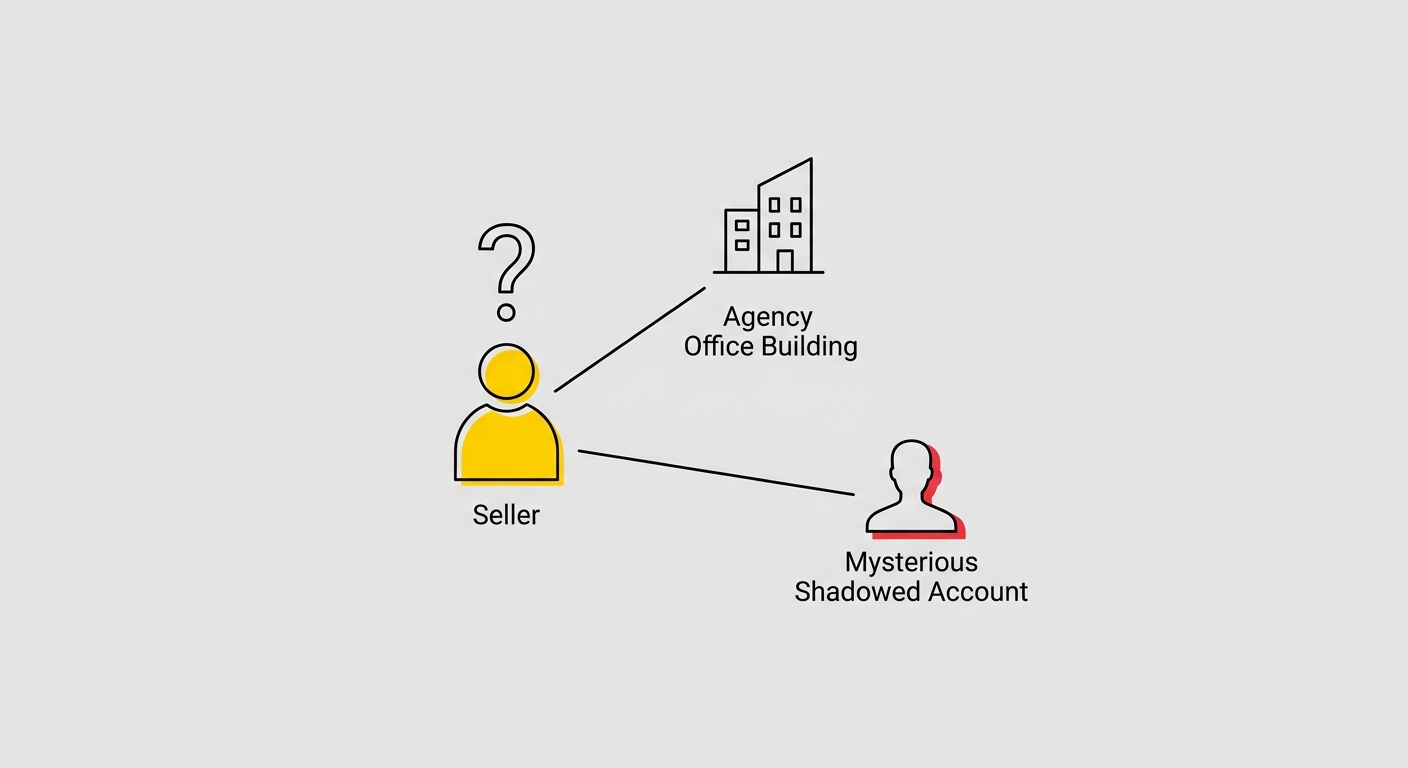
If an agency or virtual assistant has access to your Amazon account, you carry a risk most sellers never think about. Amazon can decide your account is related to a completely different seller you've never heard of, simply because the same third party runs both from the same office.
That is what happened to Eduardo. He owned a single Amazon account. No second account, no partner, no relative selling on the marketplace. Amazon still deactivated him for a related account violation, and he had no idea what the connection even was. He and a previous agency had already appealed several times and gotten nowhere.
Read on to see how the Mr. Jeff AMZ reinstatement experts traced the real link and got his account back with a proven escalation strategy.
The Challenge
On June 23, 2026, Eduardo contacted Mr. Jeff AMZ after his Amazon seller account was deactivated over an alleged connection to another Amazon account.
The strangest part was that he had no idea what that linked account even was. He owned a single Amazon seller account, held no ownership stake in any other Amazon business, and had no direct tie to another seller. From where he stood, the suspension looked like a glitch in Amazon's system, something that made no sense at all.
Before coming to us, both the client and the agency she worked with had made multiple attempts to appeal Amazon’s decision on their own. None of those submissions led to reinstatement.
What Triggers an Amazon Related Account Suspension?
A related account suspension happens when Amazon decides one seller account is connected to another and takes action against both. Amazon's rule is one seller account per person or business unless it has approved additional accounts, so when its systems detect a link to an account that has been suspended, it treats the connection as an attempt to get around that rule.
The detection is automated, and it draws on a wide range of signals. Understanding what those signals are is the first step to understanding why an account gets flagged, and why so many sellers are caught by surprise.
The most common triggers are:
Shared IP addresses or devices. Logging into two accounts from the same computer, network, or phone is one of the strongest links Amazon looks for.
Shared financial details. A bank account, credit card, or payment method that appears on more than one account.
Shared contact or business data. The same phone number, email address, physical address, or tax ID across accounts.
Family and household connections. A spouse, parent, sibling, or child operating a separate account from the same home or network.
Business partners and investors. Co-owners or partners with a stake in more than one seller entity.
A previous suspended account. A new account created after an earlier one was deactivated, using overlapping information.
Agency, VA, or employee access. A third party who works on your account and also has access to other seller accounts, often from the same office.
That last one is the trigger sellers almost never see coming, and it's the one behind this case. You can follow every rule yourself and still be linked to a stranger through someone you hired.
When the flag reflects a real duplicate account, the system works as intended. The problem is what happens when it's wrong. A false positive puts the seller in an almost impossible position: Amazon expects you to resolve the link, but if you don't know what the link is, there is nothing to resolve. You end up trying to prove a negative, and generic appeals that simply insist "I only have one account" almost never move these cases.
By the numbers: Related account suspensions are among the most difficult reinstatements there are, and Amazon is candid that they carry some of the lowest success rates of any violation type. In the false-positive cases we handle, the connection is real, but it almost never runs through the seller directly. It runs through someone with access to their account.
How We Reinstated This Amazon Account
Step 1: Investigation
We took the case and began with a thorough consultation. We spoke with Eduardo and his team and gathered every piece of information about any link that could have triggered the related account flag: IP addresses, agencies, virtual assistants, child permissions, relatives, and anyone in his circle who might have had an Amazon business of their own.
After working through every possible angle, one plausible explanation was left standing: the ecommerce agency he had been working with. That agency managed his ecommerce operations across multiple platforms and accessed his Amazon account exclusively through child permissions. There was no overlap beyond that. When we followed the thread, the agency confirmed that the account Amazon had flagged as related belonged to one of their other clients, a separate business they also managed from the same office, through the same access structure.
Eduardo had trusted this agency fully, and reasonably so, since they had been running multiple ecommerce businesses on his behalf successfully. He had only ever owned one Amazon seller account and had no direct tie to any other Amazon business. The link was entirely operational, and it sat on the agency's side rather than his.
Step 2: Appeal Preparation
With the source of the link identified, we built an appeal that addressed what Amazon had actually detected instead of simply denying that a connection existed. We prepared it in the format Amazon expects, answered every concern raised in the deactivation notice, and gathered all the supporting evidence we could. We explained the agency relationship precisely: who they were, how they accessed the account through child permissions, and why that operational overlap, rather than any shared ownership, was the real source of the flag. Alongside that, we went back through the account for any other data point that might read as a link and eliminated everything we could.
Step 3: Seller Central Submissions
We submitted the appeal through Seller Central and worked it methodically, refining and resubmitting as Amazon responded. Each round tested a part of the case and told us more about what the automated review was keying on, which we fed back into the next submission.
Step 4: Account Health Team Communication
In parallel, we engaged the Account Health team directly, presenting the evidence to a human reviewer and pressing for an explanation of what specifically was holding the flag in place. This kept the case moving through Amazon's internal channels rather than sitting in an automated queue.
Step 5: Better Business Bureau (BBB) Complaint
When the internal routes had been exhausted, we escalated externally and filed a complaint with the Better Business Bureau. This is a step most sellers never take. It moves the case outside Amazon's standard support pipeline and puts it in front of people who have to respond formally, applying pressure from a different direction while the evidence stayed on the table.
Step 6: Escalation to Amazon Executives
Finally, we escalated the case directly to Amazon executives, the highest level available for a reinstatement appeal. This is the step that decides cases like Eduardo's, and it's the one sellers almost never reach on their own. An executive review puts the case in front of someone with the authority and the context to look past the automated flag and weigh the evidence we had assembled. Within roughly a week of that escalation, the account was reinstated.
The Result
Account reinstated on August 12, 2026, within approximately one week of the executive escalation.
After multiple appeals by Eduardo and his previous agency, several rounds through Seller Central and the Account Health team, and a BBB complaint that didn't land, the case turned once it reached the right people with a complete, evidence-backed explanation of where the link actually came from.
He got his account back, and the flag that had frozen his business came down to something he never could have found on his own: another agency client he had no connection to, sharing nothing with him but an office and a service provider.
Key Lessons for Amazon Sellers
A related account flag is often not about you.
You can own a single account and still be flagged, because the link Amazon detected may run through someone with access to your account rather than through you. The connection is real to Amazon's systems even when it means nothing about your ownership.
Denial isn't a strategy.
Repeating that you only have one account rarely works, because Amazon is reacting to a specific shared data point, not to a general suspicion. Until that point is found and explained, the flag stands no matter how firmly you deny it.
Agency and VA access is a common hidden source.
An agency or virtual assistant who manages several sellers from one office can link those accounts in Amazon's eyes, even when everyone uses proper child permissions. If a third party works on your account, know who else they work for.
The investigation matters more than the wording.
This case wasn't won by a better-written appeal. It was won by identifying the exact source of the link. You can't explain a connection you haven't found, which is why diagnosis comes before drafting.
Executive escalation can succeed where standard appeals fail.
Seller Central, the Account Health team, and even a BBB complaint didn't move this case. An escalation to Amazon executives did. When a case is strong on the evidence but stuck in the standard queue, the level you escalate to can decide the outcome.
Need Help With Amazon Account Reinstatement?
If your account has been deactivated for a related or linked account you don't recognize, appealing on your own is risky. These are among the hardest suspensions to reverse, and one wrong submission can make reinstatement much harder. The link is often real in Amazon's systems even when you've done nothing wrong, and finding it takes a proper investigation.
At Mr. Jeff AMZ, we specialize in reinstating suspended Amazon seller accounts, even in the most complex cases. Our team has successfully helped 650+ sellers get their accounts back and return to selling.
Here's what you get when you work with Mr. Jeff AMZ:
Insider Expertise — Our specialists include ex-Amazon staff and top Amazon sellers who understand exactly how Amazon reviews appeals behind the scenes.
Custom Plans — No Templates — Every submission is built from scratch, fully tailored to your specific violation type and account history.
Unlimited Revisions — We work on your case until reinstatement. No revision limits, no hidden fees.
Dedicated 1-on-1 Support — You'll have a personal senior reinstatement manager guiding you through every step of the process.
Fast-Track for Urgent Cases — If your business is on pause and time matters, we offer priority handling for urgent reinstatement cases.
Honest Case Review — If reinstatement isn't realistically possible, we'll tell you upfront. No false promises. No wasted time.
Get a Free Expert Case Review
If your Amazon seller account has been suspended for a related account, don't keep sending appeals that only deny the connection.
Fill out the form and get a free expert consultation with a detailed review of your Amazon suspension case.

Author
Rick
Senior Reinstatement Consultant at Mr. Jeff AMZ
Rick is a Senior Reinstatement Consultant at Mr. Jeff AMZ with 6 years of experience appealing Amazon suspensions. He specializes in solving complex Amazon issues like Section 3, IP, and review-related enforcement, helping sellers recover deactivated accounts. His superpower is knowing Amazon's policies better than most Amazon reviewers do and building a compelling, watertight case for any position.
Connect on LinkedInFrequently Asked Questions
What is an Amazon related account suspension?
A related account suspension occurs when Amazon detects that your seller account is connected to another account—particularly one that has been suspended or violated Amazon's policies. Since Amazon enforces a one seller account per person or business rule, any detected link to a problematic account can result in both accounts being deactivated.
How can a third-party agency or virtual assistant cause my Amazon account to get suspended?
When an agency or VA manages multiple Amazon seller accounts from the same office, network, or devices, Amazon's automated systems can detect shared IP addresses and flag all connected accounts as related. Even if you've never met the other seller, the shared third-party access creates a link that Amazon treats as a policy violation.
What are the most common triggers for Amazon related account suspensions?
The most common triggers include:
- Shared IP addresses or devices
- Shared bank accounts, credit cards, or payment methods
- Same phone number, email, physical address, or tax ID
- Family members operating accounts from the same household
- Business partners with stakes in multiple seller accounts
- Agency, VA, or employee access to multiple accounts
Can I appeal an Amazon related account suspension on my own?
While you can attempt to appeal on your own, related account suspensions are notoriously difficult to resolve without understanding the exact source of the link. As seen in Eduardo's case, multiple self-submitted appeals often fail because sellers don't know what connection Amazon detected. Professional help can trace the real link and craft an effective escalation strategy.
What is an escalation strategy for Amazon account reinstatement?
An escalation strategy involves taking your appeal beyond the standard Seller Performance team to higher-level Amazon contacts or departments. This approach is often necessary when initial appeals are repeatedly denied, and it requires a well-documented case that clearly identifies the root cause of the suspension and demonstrates why reinstatement is justified.
How can I protect my Amazon account if I work with agencies or virtual assistants?
To minimize risk, carefully vet any third party before granting account access. Ask how they manage multiple clients and whether they use dedicated devices or VPNs for each account. Ensure they understand Amazon's related account policies and have protocols in place to prevent cross-contamination of account data and IP addresses.
What should I do if I receive a related account suspension and don't know why?
First, review all third-party access to your account, including agencies, VAs, and employees. Check if any family members or business partners have their own Amazon accounts. If you cannot identify the link yourself, consider working with a reinstatement specialist who can investigate the connection and develop a targeted appeal strategy.