Amazon Tips
Amazon Section 3 Suspension: Reinstatement Guide
January 12, 2026
Key Takeaways
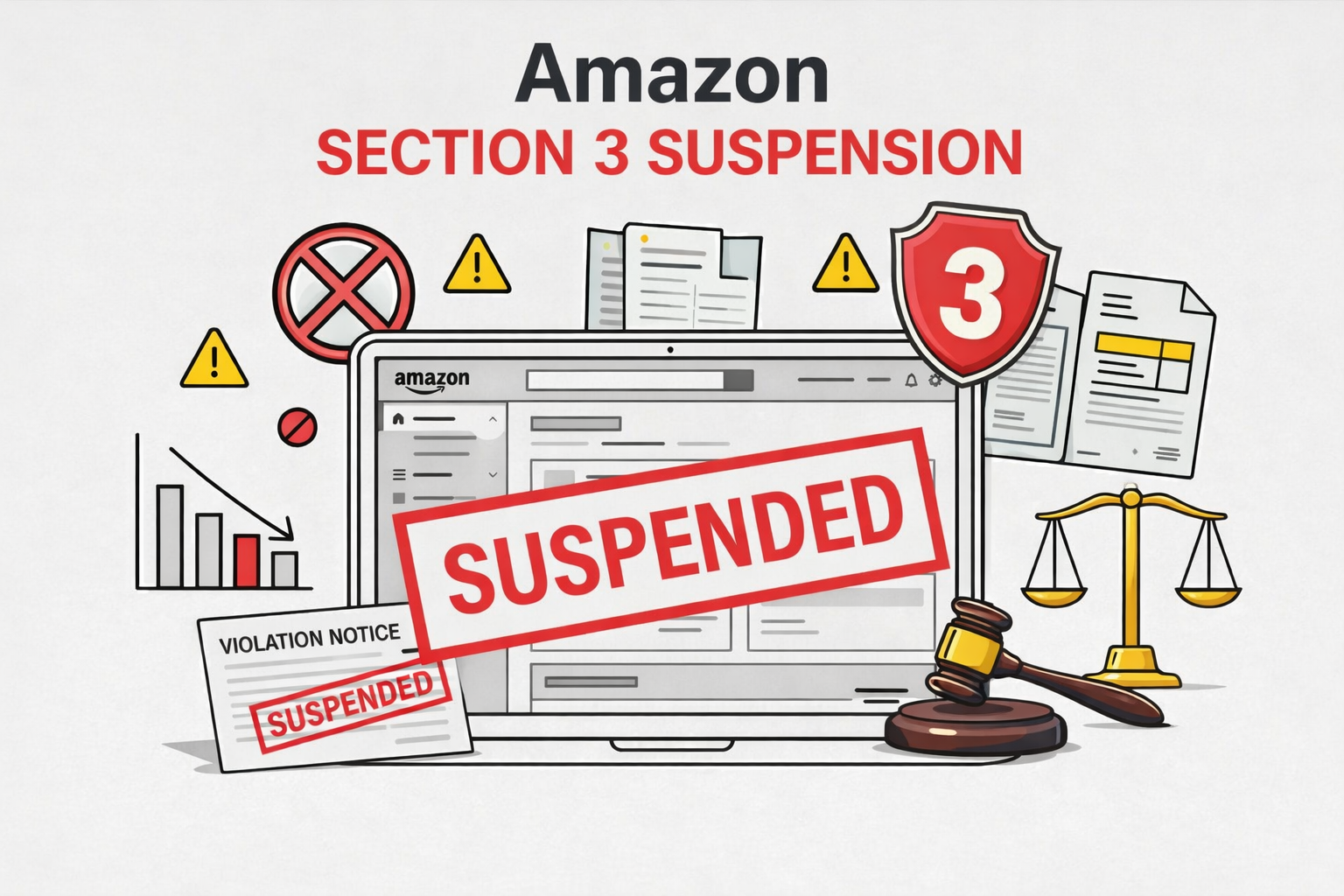
- Amazon Section 3 suspensions occur when sellers violate prohibited activities including selling counterfeit products, manipulating reviews, operating multiple accounts, or infringing intellectual property rights.
- A successful Plan of Action requires three components: root cause analysis explaining what went wrong, immediate corrective actions already taken, and long-term preventive measures with specific implementation details.
- After suspension, sellers should document everything within the first 24-48 hours before appealing, as hasty appeals without proper root cause analysis typically result in rejection.
- Reinstated sellers should implement ongoing compliance monitoring including weekly policy reviews, monthly performance analysis, quarterly audits, and annual risk management strategy reviews.
- Common appeal mistakes include blaming others instead of taking ownership, using generic templates, making emotional pleas about lost income, and failing to explain why violations occurred.
Amazon Section 3 Suspension: Complete Reinstatement Guide
Section 3 suspension doesn't have to be the end of your Amazon journey. With the right strategy and approach, many sellers successfully reinstate their accounts and get back to business.
What Is a Section 3 Suspension?
Before diving into reinstatement strategies, let's clarify what we're dealing with. Section 3 of Amazon's Business Solutions Agreement covers the prohibited activities and actions that can lead to account deactivation. This isn't just another policy violation – it's Amazon's way of saying they believe you've engaged in activities that fundamentally breach their trust.
Common Section 3 Violation Triggers
Understanding what triggers these suspensions is your first line of defense. Here are the most common culprits:
Inauthentic product claims: Selling counterfeit items or products that aren't what you claim them to be
For official guidelines, refer to Amazon Services Business Solutions Agreement and Amazon Anti-Counterfeiting Policy.
Intellectual property violations: Using copyrighted images, trademarked terms, or patented designs without permission
Review manipulation: Incentivizing reviews, creating fake reviews, or attempting to game the system
Multiple account violations: Operating more than one seller account without Amazon's permission
Dropshipping from retailers: Fulfilling orders directly from other online retailers
Immediate Steps After Section 3 Suspension
When that suspension notice hits, your natural instinct might be to immediately fire off an appeal. Stop. Take a breath. The first 24-48 hours after suspension are critical, and hasty actions often do more harm than good.
Step 1: Don't Panic, Document Everything
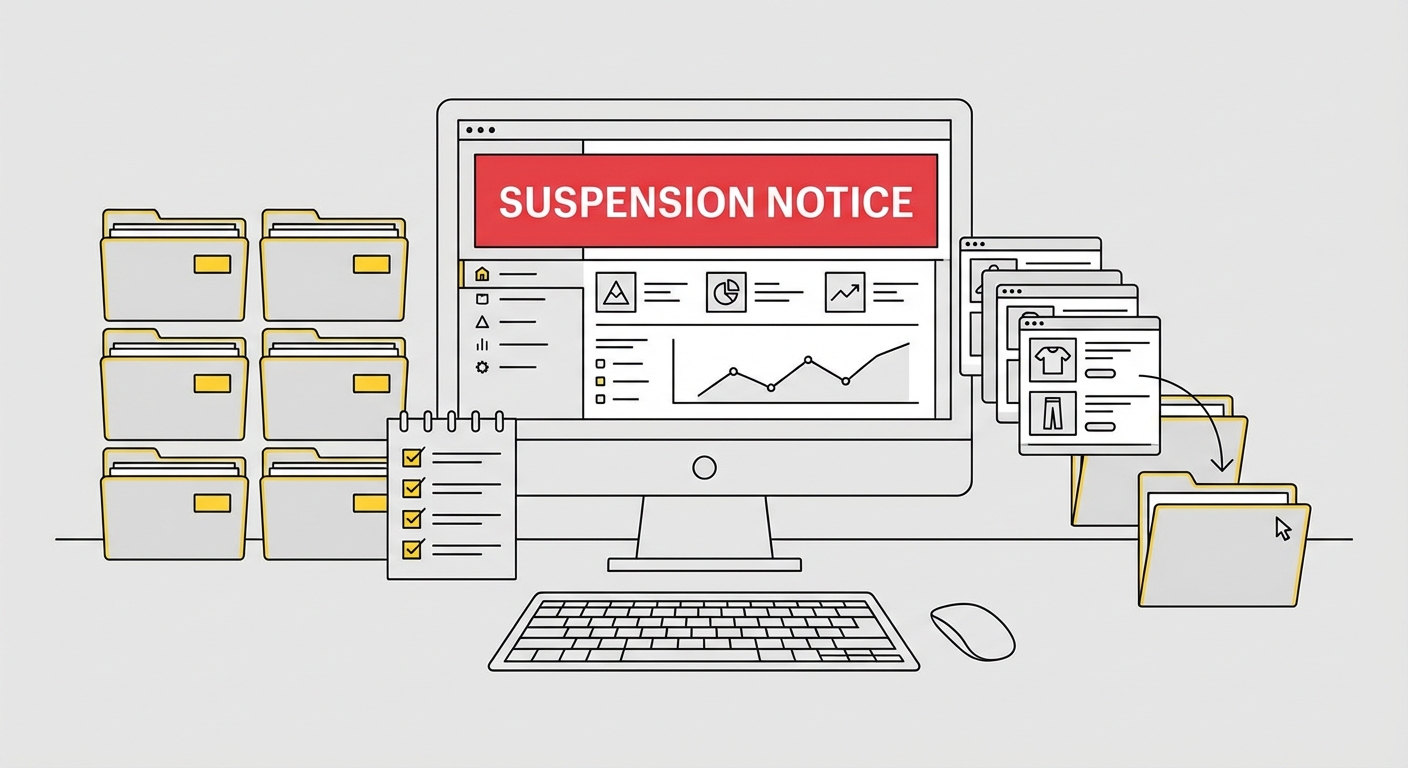
Start by taking screenshots of your suspension notice, performance notifications, and any recent communications from Amazon. Create a folder on your computer and organize everything chronologically. This documentation will be invaluable when crafting your appeal.
Step 2: Identify the Root Cause
Amazon's suspension notices can sometimes be vague, but they usually provide clues. Read through the suspension email carefully – multiple times if necessary. Look for specific ASINs mentioned, policy sections cited, or particular dates referenced. Understanding exactly why Amazon suspended you is crucial for addressing their concerns effectively.
Step 3: Conduct an Honest Internal Audit
This is where brutal honesty pays off. Review your business practices, supplier relationships, and operational procedures. Ask yourself:
Have any of my suppliers changed their practices recently?
Are all my product listings 100% accurate?
Document everything: Organization is your first step toward reinstatement
Have I inadvertently violated any policies I wasn't aware of?
Are there any customer complaints I haven't properly addressed?
Crafting a Winning Plan of Action (POA)
Your Plan of Action is the cornerstone of your reinstatement effort. This isn't just a letter – it's a professional document that demonstrates you understand the issue, take responsibility, and have implemented concrete changes to prevent future violations.
The Three Pillars of an Effective POA
1. Root Cause Analysis
Start by clearly stating what went wrong. Amazon wants to see that you understand the violation, not that you're making excuses. For example:
"After thorough investigation, we identified that our inventory management system failed to flag products from a new supplier who wasn't authorized to distribute Brand X products, resulting in the listing of potentially inauthentic items."
2. Immediate Corrective Actions
Detail the specific steps you've already taken to address the issue. Be concrete and specific:
Removed all affected inventory from FBA warehouses
Terminated relationships with problematic suppliers
Implemented new verification procedures for all incoming inventory
Trained staff on updated compliance procedures
3. Long-term Preventive Measures
Show Amazon you're committed to permanent change by outlining systemic improvements:
Monthly audits of all supplier documentation
Implementation of inventory tracking software with authentication features
Quarterly team training on Amazon policies and compliance
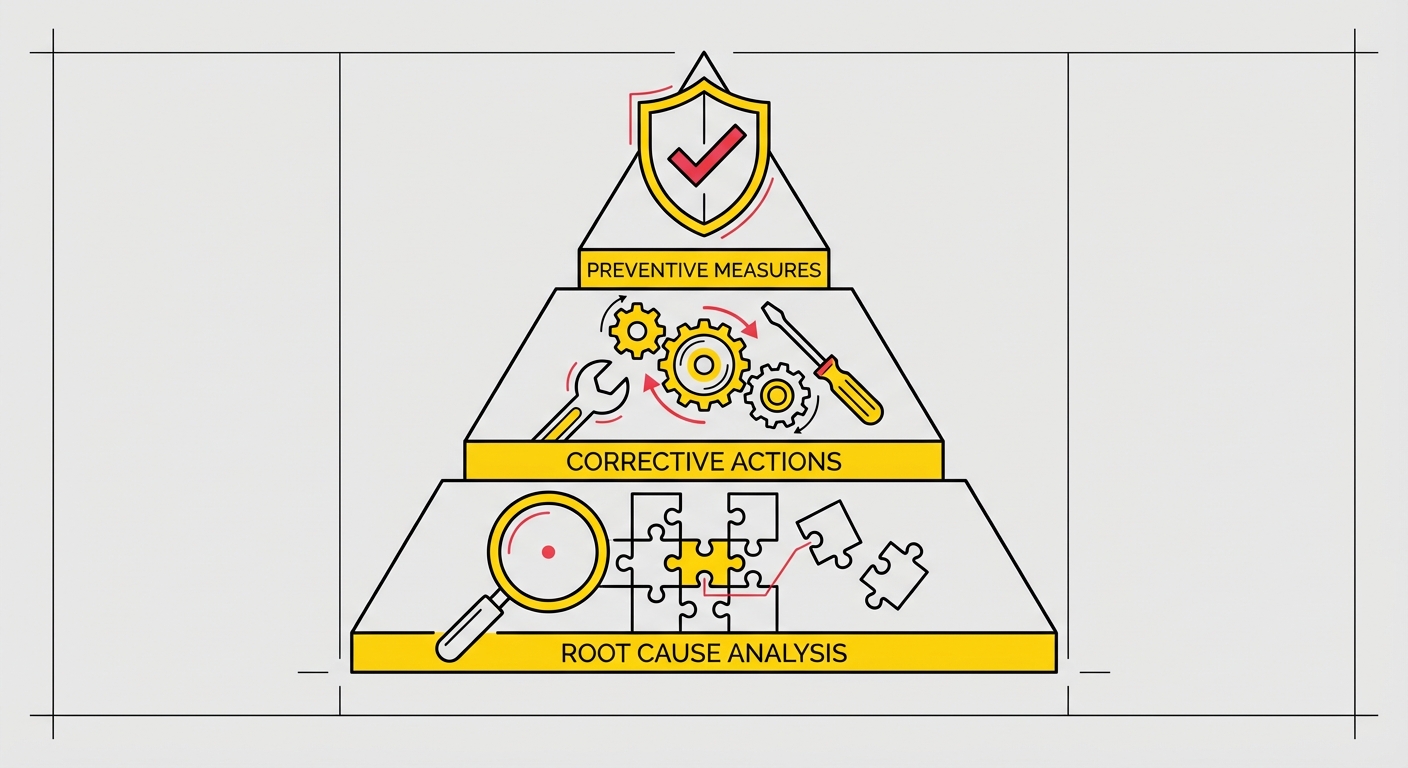
The three pillars of an effective Plan of Action
Establishment of a dedicated compliance officer role
Advanced Reinstatement Strategies
While a well-crafted POA is essential, sometimes you need to go beyond the basics to get Amazon's attention and demonstrate your commitment to their marketplace standards.
Strategy 1: The Documentation Avalanche
Amazon loves documentation. When appropriate, include:
Invoices from authorized distributors
Brand authorization letters
Photos of your warehouse and inventory management systems
Screenshots of new procedures and training materials
Legal documents showing business structure changes
Strategy 2: The Proactive Compliance Upgrade
Don't just fix what's broken – upgrade your entire operation. Consider implementing:
Technology Solutions
Inventory management software with built-in compliance features
Customer service platforms that track and escalate issues
Automated policy monitoring tools
Professional Services
Third-party compliance audits
Legal consultation for intellectual property issues
Professional photography to ensure accurate product representation
Strategy 3: The Timeline Approach
Create a visual timeline showing:
When the issue occurred
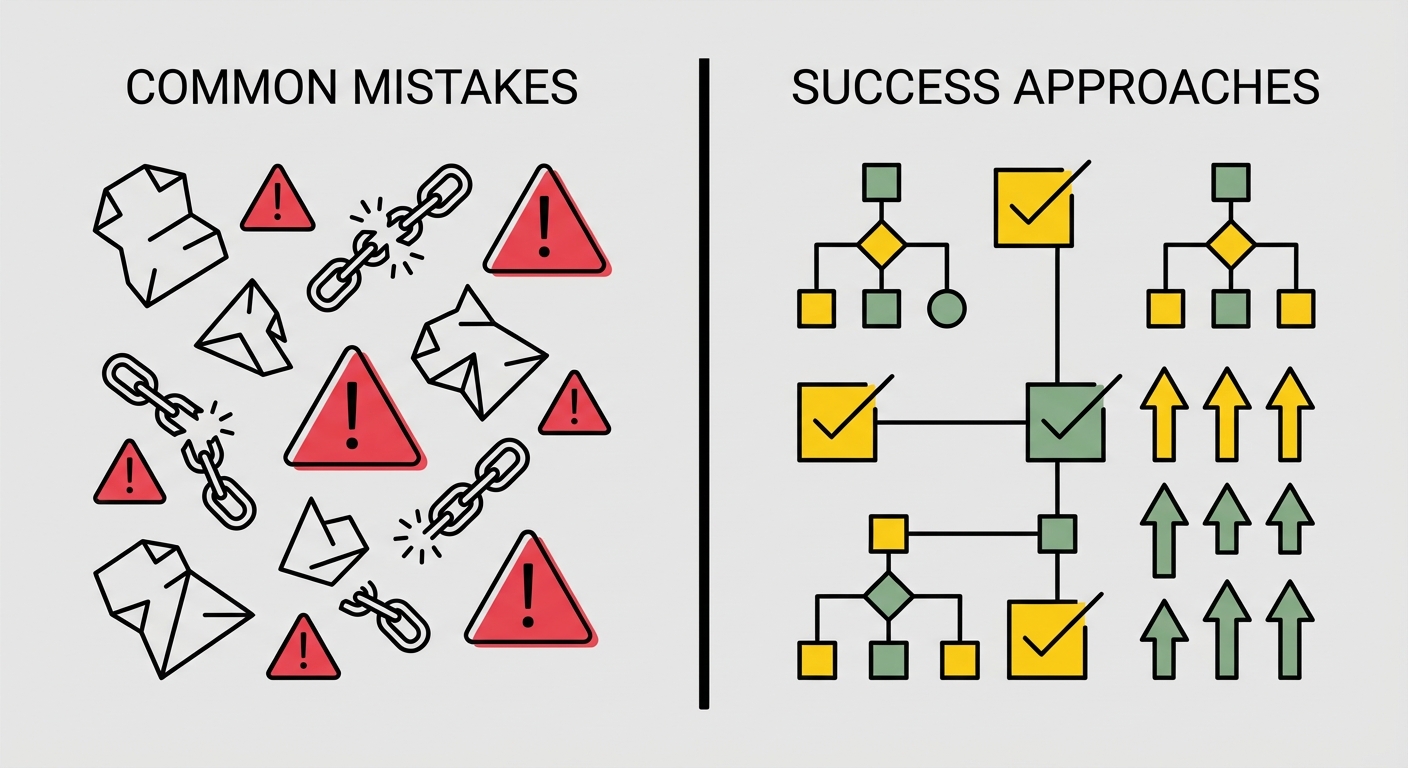
Avoid common pitfalls: Learn from others' reinstatement mistakes
When you discovered it
What actions you took and when
Implementation dates for new procedures
Future audit and review dates
Common Mistakes That Kill Reinstatement Appeals
Learning from others' failures can save your appeal. Here are the most common mistakes sellers make:
Mistake 1: Playing the Blame Game
Never blame Amazon, customers, competitors, or even suppliers. Take ownership while explaining the circumstances factually.
Mistake 2: Emotional Appeals
While it's understandable to be stressed about lost income, Amazon's Seller Performance team responds to facts and concrete actions, not emotional pleas about feeding your family.
Mistake 3: Generic Templates
Using a one-size-fits-all template screams "I don't take this seriously." Your POA should be specifically tailored to your unique situation and violation.
Mistake 4: Inadequate Root Cause Analysis
Saying "it won't happen again" without explaining why it happened in the first place is a fast track to rejection.
Real Success Stories: Learning from Reinstatement Wins
Let's look at how real sellers successfully navigated Section 3 suspensions:
Case Study 1: The Supplier Switch
A electronics seller discovered their trusted supplier had started mixing authentic products with replicas. Their successful reinstatement included:
Immediate cessation of all sales from that supplier
Implementation of serial number verification for all units
Direct relationships with brand manufacturers
Monthly third-party authenticity audits
Case Study 2: The IP Wake-Up Call
A home goods seller unknowingly used copyrighted images in their listings. Their path to reinstatement:
Complete listing overhaul with original photography
Hired an IP attorney to review all listings
Created an internal IP checking process
Subscribed to trademark monitoring services
The Follow-Up Game: Persistence with Professionalism
If your first appeal is rejected, don't give up. However, don't bombard Amazon with identical appeals either. Each subsequent appeal should:
Address any specific feedback from the rejection
Include new information or additional corrective measures
Demonstrate continued commitment to compliance
Maintain a professional, respectful tone
When to Consider Professional Help
Sometimes, bringing in experts can make the difference. Consider professional assistance if:
You've submitted two appeals without success
The violation involves complex legal issues
You're unsure about the true root cause
The financial impact justifies the investment
Post-Reinstatement: Staying in Amazon's Good Graces
Congratulations – you're reinstated! But the work isn't over. Post-reinstatement vigilance is crucial:
Implement Ongoing Monitoring
Weekly policy update reviews
Monthly performance metric analysis
Quarterly compliance audits
Annual strategy reviews with focus on risk management
Build a Compliance Culture
Make compliance part of your company DNA:
Regular team training sessions
Clear escalation procedures for potential issues
Reward systems for identifying compliance risks
Open communication channels about policy concerns
Your Path Forward: From Suspension to Success
A Section 3 suspension feels like the end of the world, but it doesn't have to be the end of your Amazon business. With the right approach, detailed documentation, and genuine commitment to compliance, many sellers not only get reinstated but come back stronger with better systems and procedures in place.
Remember, Amazon wants sellers who contribute positively to their marketplace. Show them you're committed to being one of those sellers, and you'll find the path to reinstatement becomes much clearer.
If you're currently facing a Section 3 suspension, take action today. Start documenting, analyzing, and building your Plan of Action. For those not currently suspended, use this information to audit your business and prevent future issues. The best time to address compliance is before Amazon forces you to.
Need help with other Amazon compliance issues? Check out our guides on preventing intellectual property complaints and maintaining healthy account metrics. Your success on Amazon depends on staying informed and proactive about marketplace policies.

Author
Rick
Senior Reinstatement Consultant at Mr. Jeff AMZ
Rick is a Senior Reinstatement Consultant at Mr. Jeff AMZ with 6 years of experience appealing Amazon suspensions. He specializes in solving complex Amazon issues like Section 3, IP, and review-related enforcement, helping sellers recover deactivated accounts. His superpower is knowing Amazon's policies better than most Amazon reviewers do and building a compelling, watertight case for any position.
Connect on LinkedIn