
Amazon Tips
How to Fix Amazon Account Suspended Issues Fast
July 27, 2026
Key Takeaways
- Amazon suspended approximately 30,000 seller accounts in 2023, with actions taken across all product categories and seller types without warning.
- Sellers must keep Order Defect Rate below 1%, Late Shipment Rate under 4%, and Pre-fulfillment Cancel Rate below 2.5% to avoid performance-related suspensions.
- How sellers respond in the first 48 hours after suspension often determines whether account reinstatement takes days or drags on for months.
- A winning Plan of Action requires three components: root cause analysis explaining what happened, immediate corrective actions already completed, and preventive measures to stop recurrence.
- Amazon typically gives suspended sellers only two or three appeal attempts, making a hastily prepared first appeal a critical mistake that extends suspension timelines.
Waking up to an Amazon account suspension notification is every seller's nightmare. One moment, your business is thriving with steady sales and positive reviews. The next, you're locked out of your seller account, watching your revenue plummet to zero while your inventory sits idle in Amazon's warehouses. The panic is understandable—but here's the critical truth that separates sellers who recover quickly from those who don't: how you respond in the first 48 hours often determines whether your account gets reinstated in days or drags on for months.
Amazon suspended approximately 30,000 seller accounts in 2023 alone, affecting businesses of all sizes across every product category. Whether you're a private label seller, a wholesale distributor, or a retail arbitrage specialist, suspension can strike without warning. Understanding the reinstatement process, knowing exactly what Amazon expects from your appeal, and executing a strategic recovery plan are the keys to getting your business back online quickly.
This comprehensive guide walks you through every step of the Amazon account suspension resolution process, from identifying the root cause of your suspension to crafting a winning Plan of Action that gets results. Let's transform this crisis into a recovery story.

Receiving an Amazon suspension notice can feel overwhelming, but a strategic response is key to fast recovery.
Understanding Why Amazon Suspends Seller Accounts
Before you can fix the problem, you need to understand exactly what went wrong. Amazon doesn't suspend accounts arbitrarily—there's always a documented reason, even if it's not immediately clear from the generic notification you received. Understanding Amazon's perspective is the first step toward a successful appeal.
The Most Common Reasons for Amazon Account Suspensions
Amazon's suspension triggers fall into several distinct categories, each requiring a different approach to resolution. Identifying your specific situation accurately is crucial because submitting an appeal that addresses the wrong issue will result in immediate rejection.
Performance-Related Suspensions
Amazon holds sellers to strict performance metrics, and falling below acceptable thresholds can trigger automatic suspensions. The key performance indicators that matter most include:
Order Defect Rate (ODR) must remain below 1%. This metric combines A-to-Z Guarantee claims, chargebacks, and negative feedback. Even a small spike in customer complaints during a busy period can push you over the threshold.
Late Shipment Rate needs to stay under 4%. Consistently shipping orders past the promised delivery window signals operational problems that Amazon won't tolerate.
Pre-fulfillment Cancel Rate should remain below 2.5%. Canceling orders because you're out of stock or can't fulfill them damages customer trust in the marketplace.
Policy Violation Suspensions
Policy violations represent a more serious category of suspensions that require careful documentation and genuine corrective action. Common policy violations include:
Selling restricted or prohibited products without proper authorization is one of the fastest paths to suspension. This includes products requiring approval, items with safety concerns, or goods that violate intellectual property rights.
Creating multiple seller accounts without Amazon's permission violates their one-account-per-seller policy. Even if your second account was created years ago and sits dormant, Amazon's systems can link accounts through shared information and suspend both.
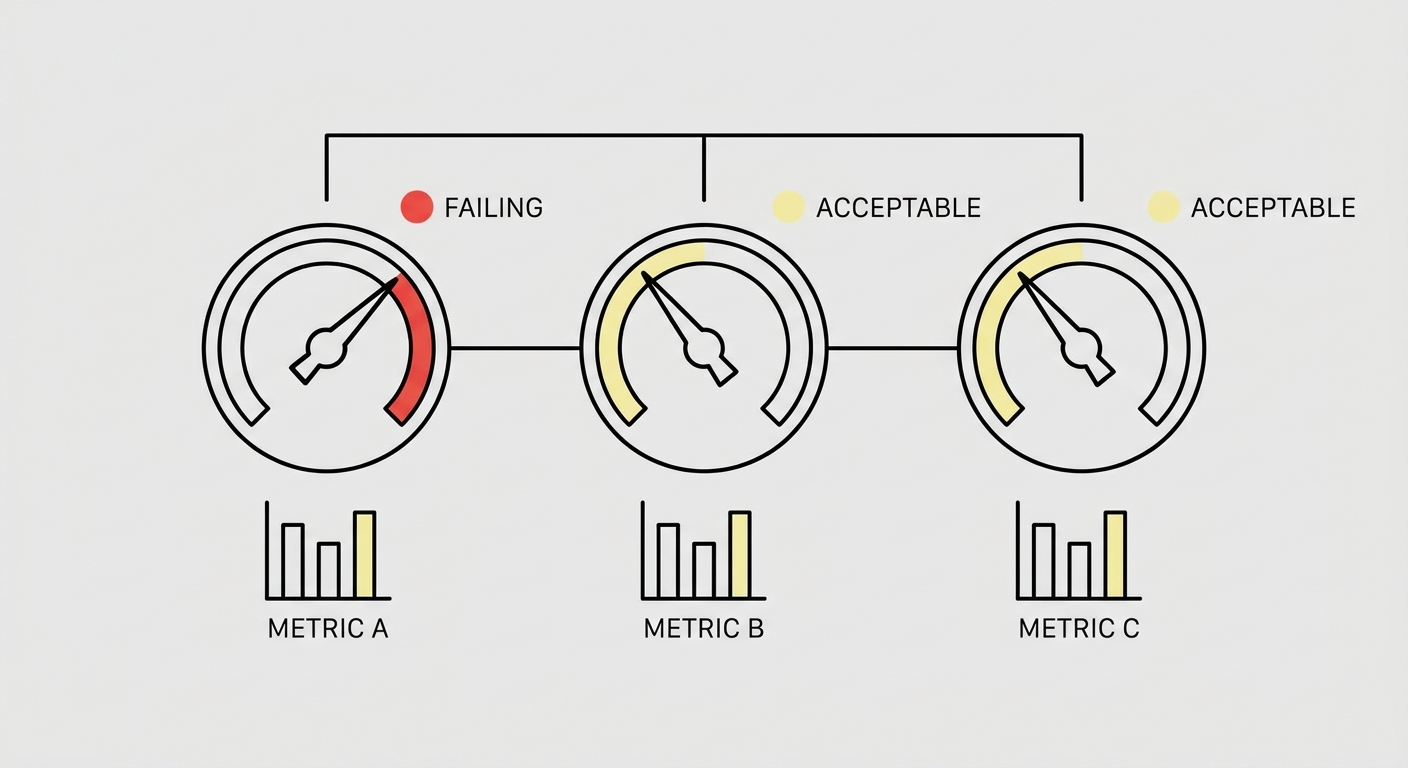
Amazon's key performance metrics—ODR, Late Shipment Rate, and Cancel Rate—must stay within strict thresholds.
Manipulating reviews or offering incentives for positive feedback represents a serious integrity violation. Amazon's algorithms have become increasingly sophisticated at detecting review manipulation schemes.
Intellectual Property and Authenticity Complaints
Intellectual property complaints from brand owners or authenticity concerns raised by customers can result in immediate suspension. These cases require specific documentation proving your products are genuine and legitimately sourced.
Decoding Your Suspension Notification
Amazon's suspension notifications often seem vague and unhelpful, using generic language that doesn't clearly explain what you did wrong. Learning to read between the lines of these notifications is an essential skill for sellers.
When your notification references "concerns about the authenticity of items," Amazon believes you may have sold counterfeit products—even if you're confident your inventory is genuine. When it mentions "policy violations," check your Account Health dashboard for specific flagged issues.
The Performance Notifications section in Seller Central often contains more detailed information than the initial suspension email. Review every notification from the past 90 days to identify patterns or specific ASINs that triggered Amazon's action.
The Critical First Steps After Receiving a Suspension Notice
Your immediate reaction to a suspension notice sets the trajectory for your entire recovery process. Resist the urge to fire off an angry email or hastily submit an appeal without proper preparation. Strategic patience in the first 24-48 hours pays dividends in faster reinstatement.
Step One: Don't Panic and Don't Rush Your Appeal
The single biggest mistake suspended sellers make is submitting a poorly prepared appeal within hours of receiving their suspension notice. Amazon gives you limited appeal attempts—typically two or three before your case becomes significantly harder to resolve. Wasting your first appeal on an emotional response or incomplete Plan of Action is a critical error that extends your suspension timeline.
Take a deep breath and accept that your appeal will take at least 24-48 hours to prepare properly. This investment in preparation dramatically increases your chances of first-attempt reinstatement.
Step Two: Gather All Relevant Documentation
Before writing a single word of your appeal, compile every piece of evidence that might support your case. This documentation serves as the foundation for your Plan of Action.
Essential Documents to Collect
Invoices from your suppliers should show product authenticity, quantity purchased, and a clear paper trail from manufacturer to your inventory. Amazon specifically looks for invoices dated within 365 days that match the ASINs in question.
Supplier authorization letters demonstrating your legal right to sell the products add credibility to authenticity-related appeals. These letters should be on official company letterhead with contact information for verification.
Quality control records, inspection reports, and any certifications relevant to your products show Amazon you take product integrity seriously.
Communication records with customers regarding complaints or issues mentioned in your suspension can help demonstrate your commitment to customer service.
Step Three: Conduct a Thorough Root Cause Analysis
Amazon wants to see that you understand exactly what went wrong—not just the surface-level issue, but the underlying business process failure that allowed the problem to occur. This requires honest self-assessment.
Ask yourself these questions: What specific action or inaction triggered this suspension? What gap in your processes allowed this to happen? Were there warning signs you missed? How long has this issue been present in your business?
Document your findings thoroughly. This analysis becomes the foundation of your appeal and demonstrates to Amazon that you're capable of preventing future problems.
Crafting a Winning Plan of Action
Your Plan of Action (POA) is the single most important document in your reinstatement appeal. Amazon reviews thousands of appeals daily, so yours needs to be clear, concise, and directly responsive to their concerns. A well-structured POA follows a specific format that Amazon's Seller Performance team expects.
The Three Essential Components of Every Successful POA
Every effective Plan of Action contains three distinct sections, each serving a specific purpose in convincing Amazon to reinstate your account.

A winning Plan of Action includes three essential components: root cause analysis, corrective actions, and preventive measures.
Component One: Root Cause Analysis
This section demonstrates that you understand exactly what happened and why. Amazon wants to see that you've moved beyond denial and excuses to genuine comprehension of the problem.
Be specific and take responsibility. Instead of writing "There was a quality issue with some products," write "Between March 15 and April 2, I shipped 47 units of ASIN B08XXXXX that had been stored improperly, resulting in damaged packaging that led to three customer complaints about product condition."
Avoid blame-shifting to customers, competitors, or Amazon itself. Even if external factors contributed to your suspension, focusing on what you could have done differently resonates better with reviewers.
Component Two: Immediate Corrective Actions
This section describes what you've already done to address the immediate problem. These should be concrete, completed actions—not promises of future behavior.
Examples of effective immediate actions include: removing all potentially affected inventory from FBA, refunding all customers who received affected products, terminating relationships with problematic suppliers, and conducting a complete inventory audit.
Include specific dates, quantities, and outcomes. "On April 15, I created removal orders for all 234 remaining units of the affected ASIN and initiated refunds totaling $1,847.32 to the 12 customers who reported issues."
Component Three: Preventive Measures
This section outlines the systematic changes you're implementing to ensure the problem never recurs. Amazon wants to see that you've built new processes, not just made one-time fixes.
Effective preventive measures might include: implementing a new supplier verification process, establishing quality inspection checkpoints before shipping to FBA, creating inventory storage protocols with temperature and humidity monitoring, or scheduling regular account health reviews.
Be specific about how each measure prevents the exact problem that caused your suspension. Generic promises to "do better" or "be more careful" don't satisfy Amazon's requirements.
POA Writing Best Practices
Beyond the three-component structure, several writing principles significantly improve your appeal's chances of success.
Keep It Concise and Scannable
Amazon's Seller Performance investigators review dozens of appeals daily. They appreciate concise, well-organized submissions that make their job easier. Aim for 500-750 words maximum for most suspension types.
Use bullet points for lists of actions taken or measures implemented. Break up dense paragraphs into shorter, focused sections. Lead each paragraph with its main point.
Use Professional Language and Formatting
Write in clear, professional business English. Avoid emotional language, accusations, or complaints about Amazon's policies. Your tone should convey competence and commitment to compliance.
Proofread carefully for grammar and spelling errors. A sloppy appeal suggests sloppy business practices to reviewers.
Attach Supporting Documentation
Include relevant invoices, supplier certifications, or other evidence as attachments to your appeal. Ensure documents are clearly labeled and directly relevant to your case. Redact sensitive information that isn't necessary for Amazon's review.
Navigating Different Types of Suspensions
While the basic POA structure applies to all suspensions, specific suspension types require tailored approaches and documentation.
Resolving Inauthentic Product Suspensions
Inauthentic product complaints are among the most common and challenging suspensions to resolve. Even when your products are completely genuine, a customer complaint or competitor action can trigger this suspension type.
Documentation Requirements for Authenticity Appeals
For inauthentic suspensions, Amazon specifically requires invoices that meet strict criteria. Your invoices must show: the supplier's complete business information including name, address, phone number, and website; quantities that reasonably match your sales history; dates within the past 365 days; and clear indication of the specific products matching the suspended ASINs.
Handwritten invoices or documents that appear altered will be rejected. If your supplier provides informal documentation, request formal invoices on company letterhead before submitting your appeal.
Addressing the Root Cause
Your root cause analysis for inauthentic suspensions should address how the complaint occurred even though your products are genuine. Possibilities include: listing optimization issues where product descriptions didn't match the actual item, co-mingled inventory where your genuine products were mixed with counterfeits from other sellers, or customer confusion about product versions or variations.
Resolving Policy Violation Suspensions
Policy violation suspensions require demonstrating both understanding of the specific policy violated and systematic changes to ensure ongoing compliance.
Understanding the Violated Policy
Before writing your appeal, read the relevant Amazon policy section thoroughly. Reference the specific policy by name in your POA and demonstrate understanding of why your actions violated it—even if the violation was unintentional.
Demonstrating Compliance Commitment
Your preventive measures should include specific compliance training or education you've completed, monitoring systems you've implemented to catch potential violations, and any tools or services you're using to ensure ongoing compliance.
Resolving Performance-Based Suspensions
Performance suspensions often feel unfair because they can result from circumstances beyond your direct control—shipping carrier delays, product quality issues from suppliers, or unusual customer complaint patterns.
Addressing Metrics Directly
Your POA must address the specific metrics that fell below acceptable thresholds. Include the specific numbers: "My Order Defect Rate reached 1.3% in March, exceeding the 1% threshold due to three A-to-Z claims related to late shipments during a carrier service disruption."
Demonstrating Metric Improvement
Where possible, show that your metrics have already improved since the suspension. Monitor your Account Health dashboard and include current numbers in your appeal if they've returned to acceptable ranges.
What Happens After You Submit Your Appeal
Understanding Amazon's review process helps manage expectations and prepares you for possible outcomes.
Typical Appeal Timeline
Initial appeal reviews typically take 24-72 hours, though complex cases may take longer. During peak periods like Q4, review times can extend significantly. Resist the urge to submit multiple appeals or follow-up messages while your case is under review—this can actually slow down the process.
Possible Outcomes
Your appeal will receive one of three responses: full reinstatement, request for additional information, or denial.
Full Reinstatement
If your appeal succeeds, you'll receive notification that your selling privileges have been restored. Review any conditions attached to your reinstatement carefully and ensure you maintain compliance to avoid future suspensions.
Request for Additional Information
Amazon may request clarification or additional documentation. Respond promptly and directly to their specific questions. Don't resubmit your entire original POA—provide only the requested information.
Denial
If your appeal is denied, you typically have one or two additional opportunities to submit a revised POA. Carefully review any feedback provided in the denial notice and substantially revise your approach before resubmitting.
Escalation Options
If standard appeal channels fail, additional options exist. The Seller Performance team can sometimes be reached through alternative contact methods. In cases involving significant financial impact, legal counsel familiar with Amazon disputes may provide additional leverage. Jeff Bezos escalation emails (jeff@amazon.com) occasionally produce results for cases stuck in the standard review process, though this approach should be used sparingly and only after exhausting normal channels.
Preventing Future Suspensions
The best suspension strategy is prevention. Implementing robust compliance systems protects your business from future disruptions.
Proactive Account Health Management
Check your Account Health dashboard at least weekly—daily during high-volume periods. Address any warnings or notifications immediately, before they escalate to suspensions.
Supplier and Inventory Best Practices
Maintain detailed records for all inventory. Verify supplier legitimacy before establishing relationships. Consider avoiding co-mingled inventory by using "Sold by" labeling, which prevents your products from being mixed with potentially problematic inventory from other sellers.
Customer Service Excellence
Respond to customer inquiries within 24 hours. Address complaints professionally and offer reasonable resolutions before customers file A-to-Z claims. A strong customer service record provides protection during account reviews.
Staying Current with Policy Changes
Amazon regularly updates its policies and requirements. Subscribe to Seller Central announcements and review policy updates promptly. Ignorance of new requirements isn't an acceptable defense in suspension appeals.
Real-World Reinstatement Case Study
Understanding how these principles work in practice helps illustrate the path to successful reinstatement.
Case Background: Multi-ASIN Inauthentic Suspension
A mid-sized electronics seller with a strong three-year track record received a sudden suspension citing inauthentic product concerns across five ASINs. The seller had documentation proving authenticity but initially submitted a hastily prepared appeal that was denied within 24 hours.
Strategic

Author
Rick
Senior Reinstatement Consultant at Mr. Jeff AMZ
Rick is a Senior Reinstatement Consultant at Mr. Jeff AMZ with 6 years of experience appealing Amazon suspensions. He specializes in solving complex Amazon issues like Section 3, IP, and review-related enforcement, helping sellers recover deactivated accounts. His superpower is knowing Amazon's policies better than most Amazon reviewers do and building a compelling, watertight case for any position.
Connect on LinkedInFrequently Asked Questions
How long does it typically take to get an Amazon seller account reinstated after suspension?
The reinstatement timeline varies significantly based on how you respond in the first 48 hours. Sellers who submit a well-crafted Plan of Action quickly can be reinstated in days, while those who respond poorly or delay may face a recovery process that drags on for months.
What are the most common reasons Amazon suspends seller accounts?
Amazon suspensions typically fall into two main categories:
- Performance-Related Suspensions: Order Defect Rate above 1%, Late Shipment Rate above 4%, or Pre-fulfillment Cancel Rate above 2.5%
- Policy Violation Suspensions: More serious infractions that require careful documentation to resolve
What is a Plan of Action (POA) and why is it important for reinstatement?
A Plan of Action is a formal written appeal you submit to Amazon explaining what went wrong, why it happened, and specific steps you'll take to prevent it from happening again. It's the most critical document in your reinstatement process and determines whether Amazon restores your selling privileges.
What should I do immediately after receiving an Amazon suspension notice?
Your first step is to carefully identify the exact reason for your suspension—don't rely on generic notification language. Understanding Amazon's specific concerns is crucial because submitting an appeal that addresses the wrong issue will result in immediate rejection. Take time to analyze your account metrics and any policy violations cited.
What happens to my inventory in Amazon's warehouses during a suspension?
During a suspension, your inventory sits idle in Amazon's fulfillment centers and cannot be sold. This is why quick action is essential—you're losing revenue daily while still potentially incurring storage fees. The longer the suspension lasts, the greater the financial impact on your business.
How many Amazon seller accounts get suspended each year?
Amazon suspended approximately 30,000 seller accounts in 2023 alone, affecting businesses of all sizes across every product category. Whether you're a private label seller, wholesale distributor, or retail arbitrage specialist, suspension can strike without warning.
Can I appeal an Amazon suspension if I don't understand why my account was suspended?
Before submitting any appeal, you must accurately identify your specific suspension reason. Amazon always has a documented reason for suspensions, even if it's not immediately clear from the notification. Submitting an appeal that addresses the wrong issue will be rejected, potentially extending your suspension period significantly.