
Amazon Tips
Amazon Seller Account Suspended: How to Withdraw Funds & Get Your Money Back
January 25, 2026
Key Takeaways
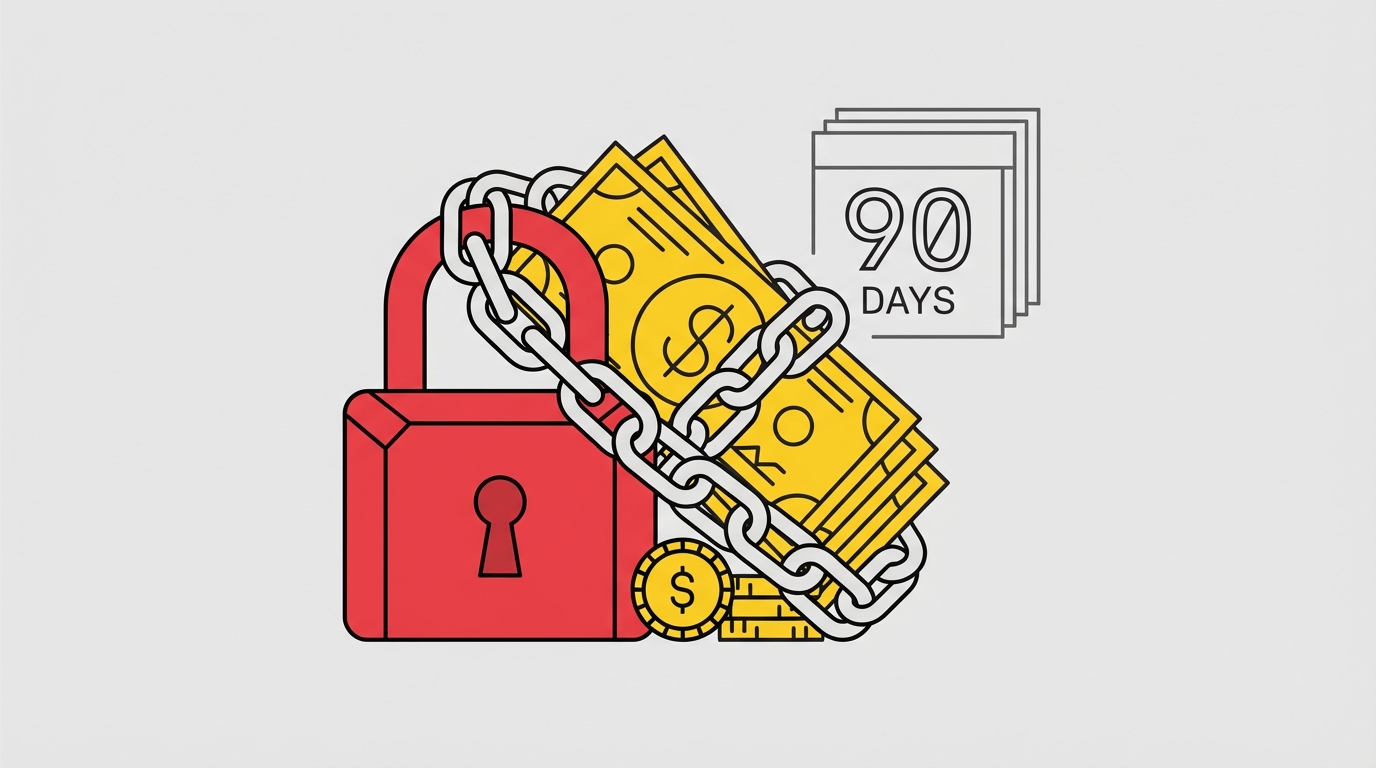
- Amazon typically holds suspended seller funds for 90 days to cover refunds and chargebacks, but up to 20% of sellers experience extended holds beyond this period.
- After the 90-day hold, sellers must actively request fund disbursement by emailing disbursement-appeals@amazon.com with their Merchant ID and account details.
- Sellers who successfully reinstate their accounts regain full fund access within 7 days 90% of the time, while fund-only withdrawal requests face a 50% rejection rate.
- Amazon can legally withhold or permanently forfeit funds under the Business Solutions Agreement if serious policy violations like fraud or counterfeit are determined.
- A professional Plan of Action must include three components: root cause identification, corrective actions already taken, and specific preventive measures for future compliance.
Amazon account suspensions can be devastating for sellers—especially when funds are frozen and sales are completely stopped. If your Amazon seller account is suspended, accessing your balance becomes a complicated process governed by strict Amazon policies.
This guide explains what happens to your funds after suspension, how to request a fund disbursement, and why account reinstatement is the safest and most effective strategy to recover your money.
What Happens to Your Funds After an Amazon Account Suspension?
When Amazon suspends a seller account, it usually freezes all available funds for at least 90 days. This holding period allows Amazon to cover:
Customer refunds
Chargebacks
A-to-Z Guarantee claims
After the 90-day period, Amazon may release the remaining balance, but this is not guaranteed.
Important Industry Insight
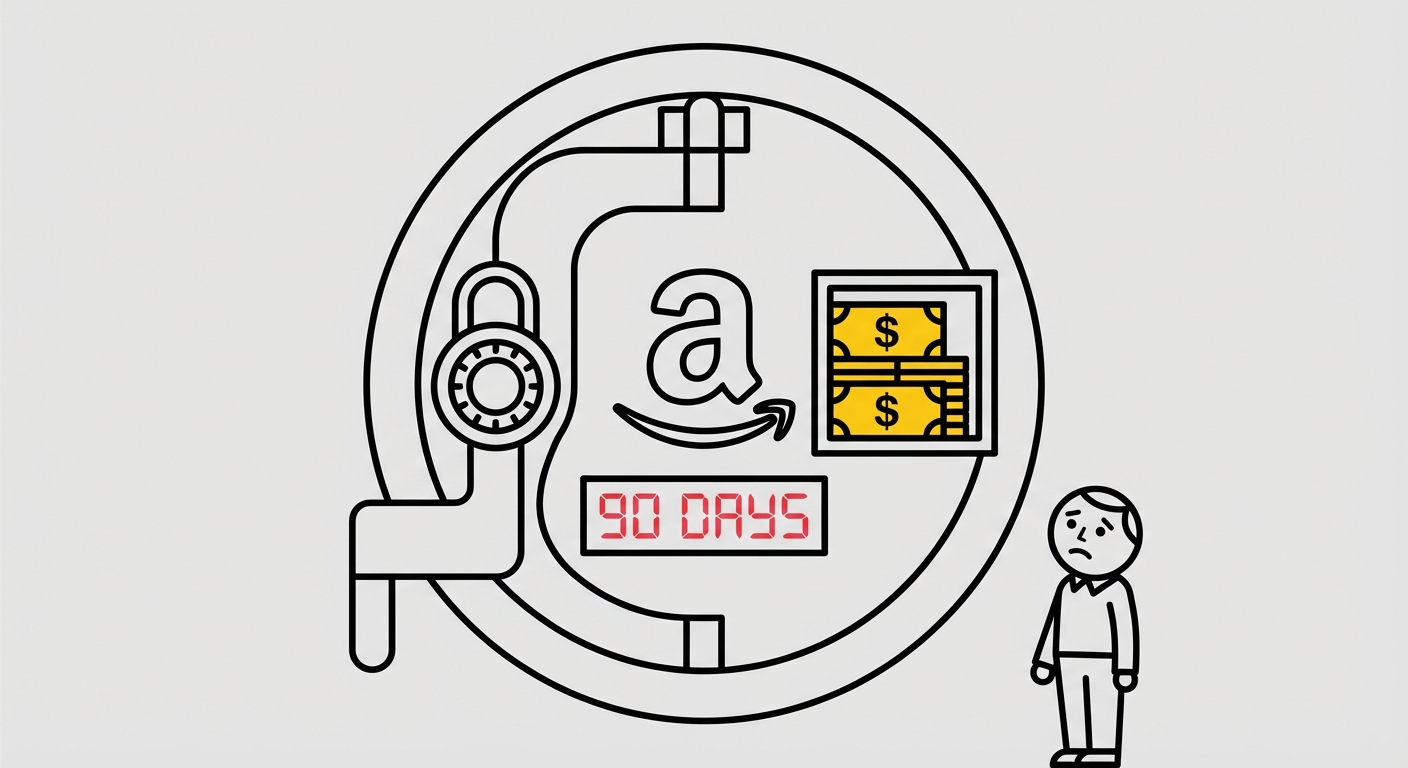
📌 Up to 20% of suspended Amazon sellers experience extended fund holds beyond 90 days, often due to unresolved policy violations, compliance reviews, or linked account concerns.
In severe cases (fraud, counterfeit, multiple accounts), Amazon may hold funds indefinitely.
Amazon’s Legal Right to Hold Seller Funds
Many sellers assume Amazon is “illegally holding money.”
In reality, Amazon operates under a contractual framework.
Under the Amazon Services Business Solutions Agreement, Amazon has the right to:
Hold funds to cover future refunds and chargebacks
Retain funds if seller behavior poses customer risk
Offset funds against policy violations
⚠️ Important:
If Amazon determines intentional misconduct, funds may be forfeited permanently, not just delayed.
How to Access Withheld Funds From a Suspended Amazon Account
If your seller account is suspended, follow these steps to maximize your chances of fund recovery.
Step 1: Wait for the 90-Day Holding Period
Amazon typically enforces a mandatory 90-day fund hold after suspension.
During this time, sellers cannot withdraw funds, even if no disputes are pending.
⚠️ For high-risk violations, Amazon may extend this period indefinitely.
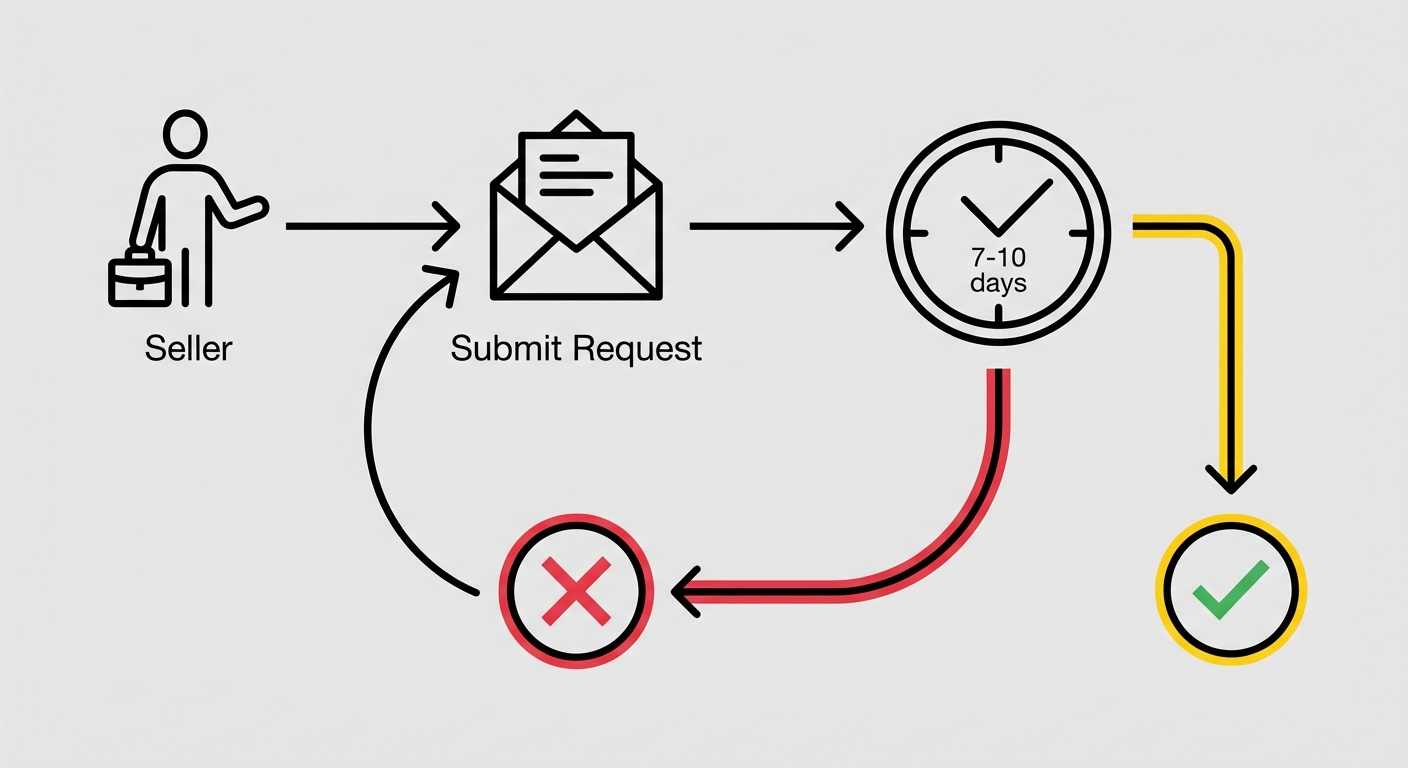
Step 2: Submit a Fund Disbursement Request After 90 Days
Once the holding period ends, you must actively request a final fund disbursement.
Contact Amazon’s Disbursement Appeals Team
Email: disbursement-appeals@amazon.com
Subject: Request for Final Fund Disbursement – [Merchant ID]
Include:
Seller account email & Merchant ID
Store name
Suspension date
A clear, polite request for fund release
📌 Pro Tip: If your request is denied or ignored, submit a new ticket in
Seller Central → Help → Contact Us → Account Settings → Payments.
Follow up every 7–10 days if there is no response.
Step 3: Prepare Compliance & Verification Documents
Amazon often delays disbursement if there are policy or authenticity concerns.
Be ready to provide:
Government-issued ID (must match account holder)
Recent bank statements
Supplier invoices for recent sales
Business registration documents (if applicable)
Missing or inconsistent documentation is a common reason for fund release denial.
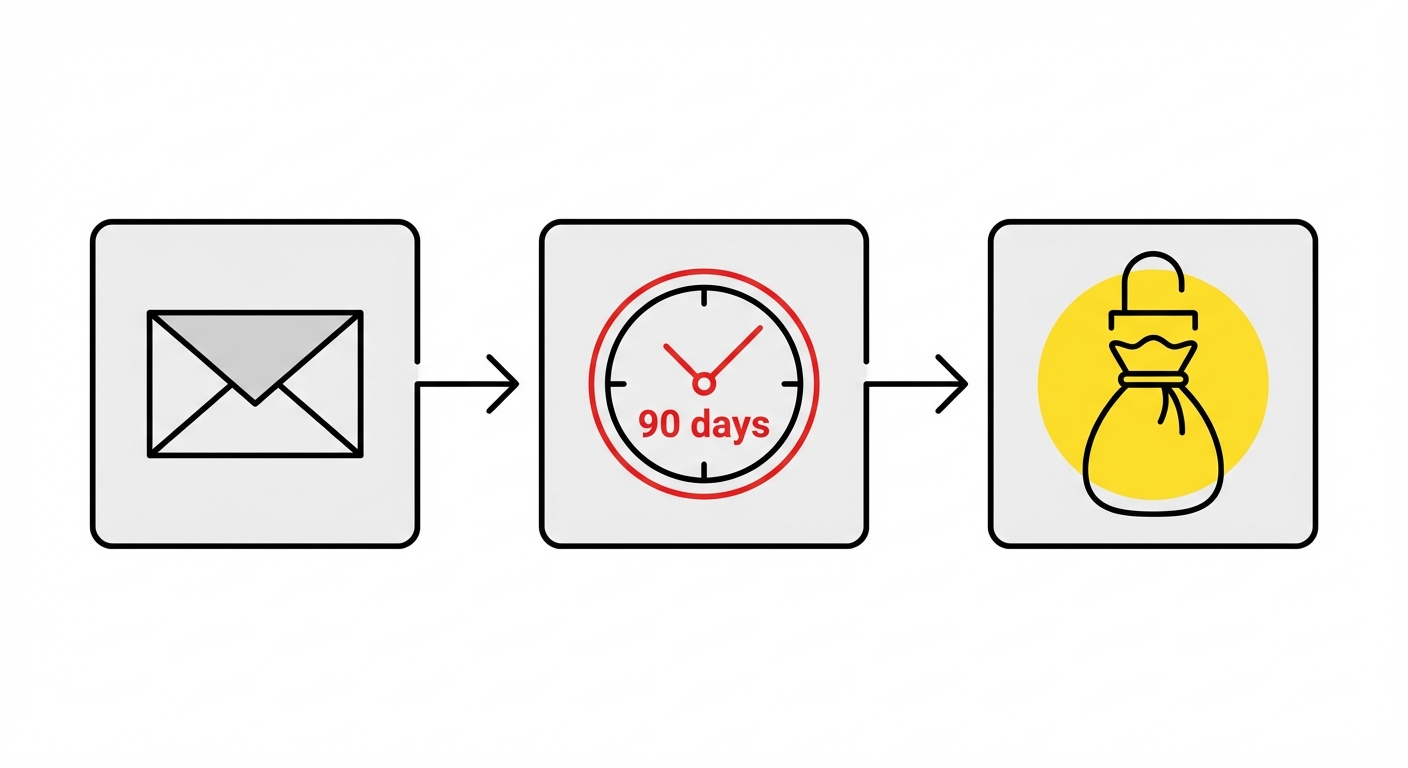
The structured approach to Amazon fund recovery follows a clear timeline
Why Account Reinstatement Is the Best Way to Recover Your Funds
Trying to withdraw funds without reinstating your account is risky. Amazon can legally withhold or seize funds if they determine serious policy violations occurred.
90% of sellers who successfully reinstate their accounts regain full fund access within 7 days
Sellers who only request fund withdrawal face a 50%+ rejection rate
👉 Reinstatement restores trust and unlocks payouts faster than fund-only appeals.
How to Reinstate a Suspended Amazon Seller Account
Step 1: Identify the Exact Reason for Suspension
Amazon suspensions commonly occur due to:
Policy violations (restricted products, misleading listings)
High Order Defect Rate (ODR > 1%)
Intellectual Property (IP) complaints
Related or linked accounts
📌 Always check Performance Notifications in Amazon Seller Central for the official reason.
Step 2: Create a Professional Plan of Action (POA)
A strong POA must be clear, factual, and solution-focused.
It should include:
Root Cause: What went wrong (no blame, no emotion)
Corrective Actions: What you already fixed
Preventive Measures: How you will avoid future violations
Weak or generic POAs are the #1 reason appeals get rejected.
Step 3: Submit Your Appeal Correctly
Go to Seller Central → Performance → Account Health
Upload your POA and supporting documents
Follow up within 48 hours if there’s no response
If rejected, revise your POA and resubmit after 5–7 days with stronger evidence.
Step 4: Request Final Disbursement if Reinstatement Fails
If 90+ days have passed and reinstatement is denied, submit a final disbursement request, but understand that approval is never guaranteed without reinstatement.
Does Escalation Help With Fund Release?
Escalation can work, but only when done strategically and at the right time.
Valid Escalation Channels:
Payments tickets inside Seller Central
Executive escalation (only after structured appeals)
Legal inquiry escalation (last resort, carefully framed)
⚠️ Poor escalation = higher risk of permanent fund lock. This is why professional handling is recommended before sellers attempt legal threats.
FAQ: Withdrawing Funds From a Suspended Amazon Seller Account
1. Can I withdraw funds from a suspended Amazon seller account?
Yes, but only under specific conditions. Amazon typically holds seller funds for at least 90 days after suspension to cover refunds, chargebacks, and A-to-Z claims. After this period, you may request a fund disbursement, but approval is not guaranteed, especially if policy violations remain unresolved.
2. How long does Amazon hold funds after account suspension?
In most cases, Amazon enforces a 90-day holding period. However, if the suspension involves high-risk violations (such as inauthentic items, counterfeit claims, or linked accounts), Amazon may extend the hold beyond 90 days or keep funds frozen until the risk is fully resolved.
3. How do I request a fund disbursement from a suspended Amazon account?
After 90 days, sellers must actively request a payout by contacting Amazon’s disbursement team or submitting a payments-related ticket through Amazon Seller Central. You’ll need to provide accurate account details and may be asked for verification documents such as ID, bank statements, or invoices.
4. Why does Amazon refuse to release funds even after 90 days?
Amazon may continue to withhold funds if:
The account is still classified as high risk
Required documents are missing or inconsistent
There are unresolved policy violations
The account is linked to another suspended seller account
In these cases, Amazon often prioritizes account reinstatement before approving fund withdrawal.
5. Does reinstating my Amazon account help unlock withheld funds?
Yes. In most cases, successful account reinstatement significantly increases the chance of fund release. Once Amazon considers the risk resolved, reserve holds are lifted, and sellers often regain access to their balance within days rather than months.
Final Expert Advice for Amazon Sellers
Recovering funds from a suspended Amazon seller account requires discipline, structure, and policy alignment. In most cases, Amazon does not deny payouts randomly — funds are withheld when a seller is classified as high risk or when compliance issues remain unresolved.
To maximize your chances of successfully recovering your balance, follow these expert guidelines:
Do not rush emails or appeals
Avoid sending rushed, emotional, or repetitive emails. Every message you submit becomes part of your compliance record and directly affects Amazon’s trust assessment.
Align fund requests with a reinstatement strategy
Fund disbursement requests are far more likely to succeed when they are supported by an active reinstatement or risk-resolution process. Amazon prioritizes sellers who demonstrate corrective action, not those seeking payouts only.
Submit Policy-Aligned Documentation
Provide only the documents Amazon explicitly expects:
Verifiable supplier invoices
Consistent identity and banking records
Clear business ownership proof
Submitting “logical explanations” without policy relevance often delays or resets reviews.
Avoid actions that label your account as high-risk
Certain actions immediately flag an account as high risk:
Inconsistent explanations across tickets
Altered or unverifiable documents
Aggressive language or legal threats
Uncoordinated multiple case submissions
Once an account is classified as high risk, fund recovery becomes significantly harder.
Escalate only after structured attempts fail
Escalation should be a controlled, documented step, not a reaction. Effective escalation is built on:
Properly submitted appeals
Complete documentation
Clear compliance history
Premature escalation often reduces the chance of both reinstatement and fund release.
Amazon releases funds when risk is resolved — not when pressure is applied. A calm, structured, and policy-driven approach gives sellers the highest probability of getting their money back.
Professional Help With Account Reinstatement & Fund Recovery
In complex Amazon suspension cases, attempting to recover funds without professional guidance often leads to delays or permanent loss of the balance. Amazon’s enforcement decisions are driven by policy interpretation, risk scoring, and internal compliance signals, not seller intent.
Professional reinstatement support focuses on risk resolution, not guesswork.
How Expert Support Helps Amazon Sellers
Working with experienced Amazon reinstatement specialists allows to:
Accurately identify the true root cause of suspension (not just the surface violation)
Prepare policy-aligned Plans of Action (POA) that meet Amazon’s internal standards
Avoid critical mistakes that trigger high-risk account classification
Coordinate reinstatement and fund disbursement strategies instead of treating them separately
Escalate cases only when timing, documentation, and risk posture are correct
📌 In many cases, successful reinstatement directly unlocks withheld funds, even when previous disbursement requests were denied.
Get Expert Suspension Analysis in 2 Minutes
Not sure where to begin your appeal or which strategy gives you the best chance of reinstatement?
Simply upload your amazon deactivation notice into Ban Decoder and get a full expert case analysis in just 2 minutes.
Expert Policy Analysis
Success Probability Calculation
Instant Reinstatement Strategy Report
No guessing. No generic advice.
Just a clear, data-driven plan to move forward with confidence.

Author
Rick
Senior Reinstatement Consultant at Mr. Jeff AMZ
Rick is a Senior Reinstatement Consultant at Mr. Jeff AMZ with 6 years of experience appealing Amazon suspensions. He specializes in solving complex Amazon issues like Section 3, IP, and review-related enforcement, helping sellers recover deactivated accounts. His superpower is knowing Amazon's policies better than most Amazon reviewers do and building a compelling, watertight case for any position.
Connect on LinkedIn